Finance Brief: The Gulf risk premium is back in the oil price
Finance Brief: The Gulf risk premium is back in the oil price
A Qatari gas carrier was hit in the Gulf on Friday, and that attack will shape what oil costs next week. If you buy fuel, ship goods, or hold energy stocks, this is the week the Gulf stops being background noise.
The numbers from Friday's close set the stage. Brent crude for December, which expired that day, settled at $117.64 a barrel, up 2.4% on the day and 13.6% across October. The more actively traded January contract closed at $113.43, and US WTI crude closed at $104.12. Azerbaijani light crude was reported above $126 a barrel earlier in the week. Gold, meanwhile, slipped to about $3,899 an ounce, a one-year low, as money moved out of precious metals and into the energy story.
Three things could push oil further. First, insurers may raise war-risk premiums for Gulf transits on Monday, which raises the cost of every cargo even without another attack. Second, Washington has warned Gulf allies to prepare for a possible short campaign against Iran after the November 3 US midterm elections, which puts a date on the risk. Third, analysts at Goldman Sachs have flagged $120 a barrel for Brent if vessel attacks intensify, a level that would feed straight into fuel and transport costs.
Levels to watch are $120 on Brent as the next marker, and $110 as the floor traders would read as de-escalation. The read breaks if the November 4 window passes without new strikes, if no group claims the carrier attack, and if insurers hold premiums steady. In that case, the premium fades and October's spike looks like a scare, not a regime change.
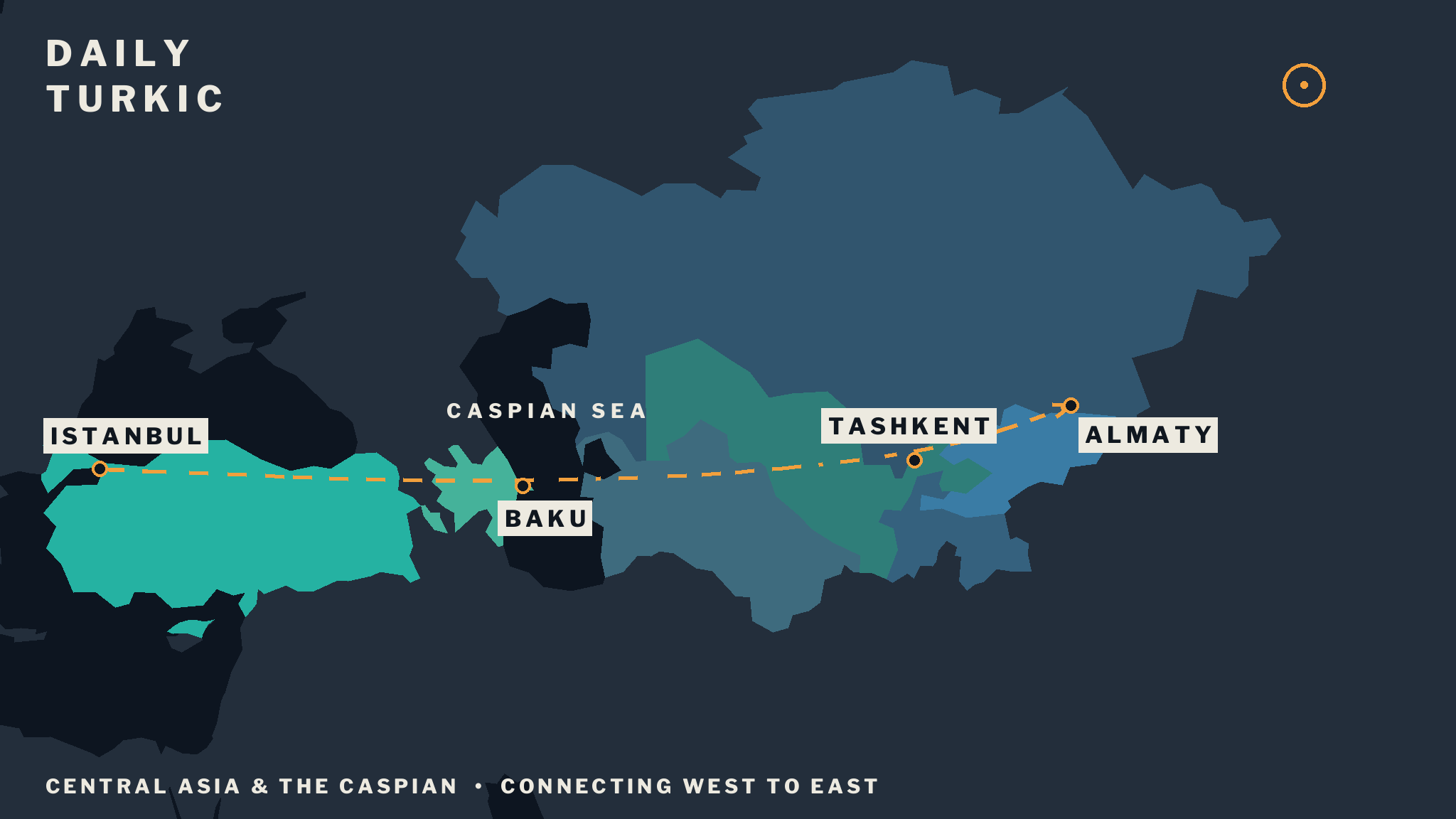
For Turkic-world readers, the split matters: Azerbaijan and Kazakhstan earn more when oil rises, while Türkiye and the importers pay more at the pump. The same price is a windfall on one side of the Caspian and a cost on the other.
Information only, not financial advice.
#Finance #XSubscribers
FOR X SUBSCRIBERS ONLY