ANALYSIS: Russia wants a seat at the Turkic table, and the Turkic world has to decide what that means
ANALYSIS: Russia wants a seat at the Turkic table, and the Turkic world has to decide what that means
The Organization of Turkic States was built as a Turkic-only club: Azerbaijan, Kazakhstan, Kyrgyzstan, Türkiye and Uzbekistan as members, with Hungary, Turkmenistan and the Turkish Republic of Northern Cyprus as observers. Its whole identity rests on shared language, history and interests, not on great-power membership.
That identity is now being tested. At the Ankara summit on October 30, Kazakhstan's President Kassym-Jomart Tokayev proposed inviting Russia into the organization as a member or observer, in a new OTS+ format. On November 2, the Kremlin answered through spokesman Dmitry Peskov: Russia has not received an official invitation yet, but considers participation expedient.
What actually changed is the direction of travel. Until now, the question was whether the OTS would deepen among Turkic states. Now the question is whether it widens to a non-Turkic great power, and on what terms. A Russian seat would bring weight, and it would also bring the politics of a state that has spent centuries shaping, and often dominating, the region.
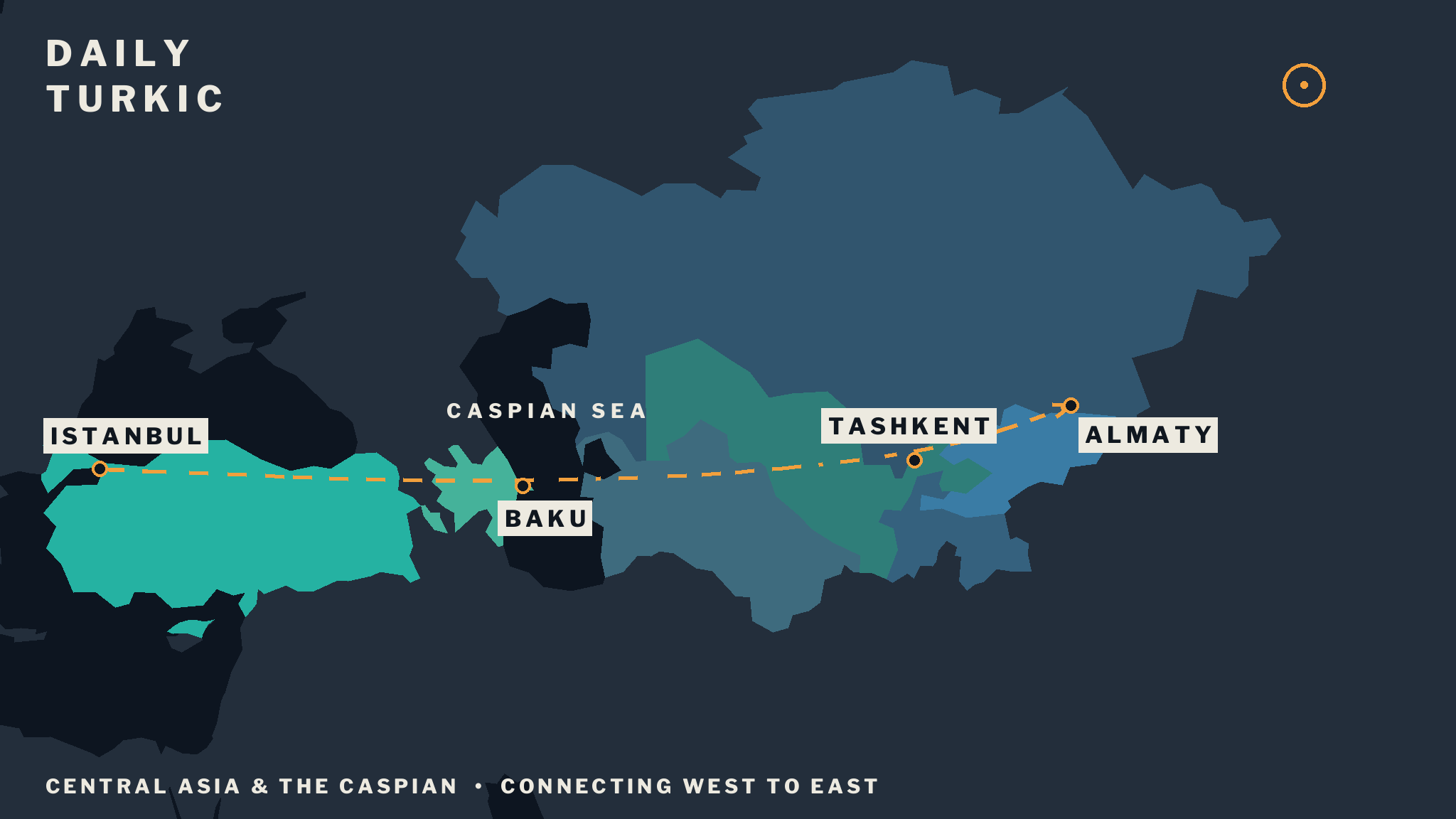
Each actor has a different stake. Kazakhstan, balancing Russia, China and the West, gains room to maneuver by keeping Moscow inside a structure it helps lead, rather than outside it. Russia gains a hedge against exclusion as Turkic integration deepens, including the Middle Corridor trade route that deliberately bypasses Russian territory. Türkiye and Azerbaijan, the organization's driving forces, have not yet publicly answered the proposal, and their response will decide whether OTS+ is a real format or a summit idea that fades.
The second-order effects run in both directions. A Russian presence could make the OTS more consequential in Eurasian security and energy. It could also blur the organization's purpose, turning a Turkic voice into another forum where Moscow sets the agenda. Smaller members, Kyrgyzstan especially, would feel that shift first.
What to watch: whether a formal invitation is actually issued, and by whom; whether other OTS leaders endorse, hedge or quietly oppose the idea; whether OTS+ appears as a real format with its own meetings, or stays a label; and whether Moscow's interest survives contact with the organization's Turkic agenda. The next OTS gathering will show whether this was a trial balloon or a turning point.
#TurkicWorld #Analysis