ANALYSIS: Central Asia's big week: Astana, Samarkand and the question of who belongs
ANALYSIS: Central Asia's big week: Astana, Samarkand and the question of who belongs
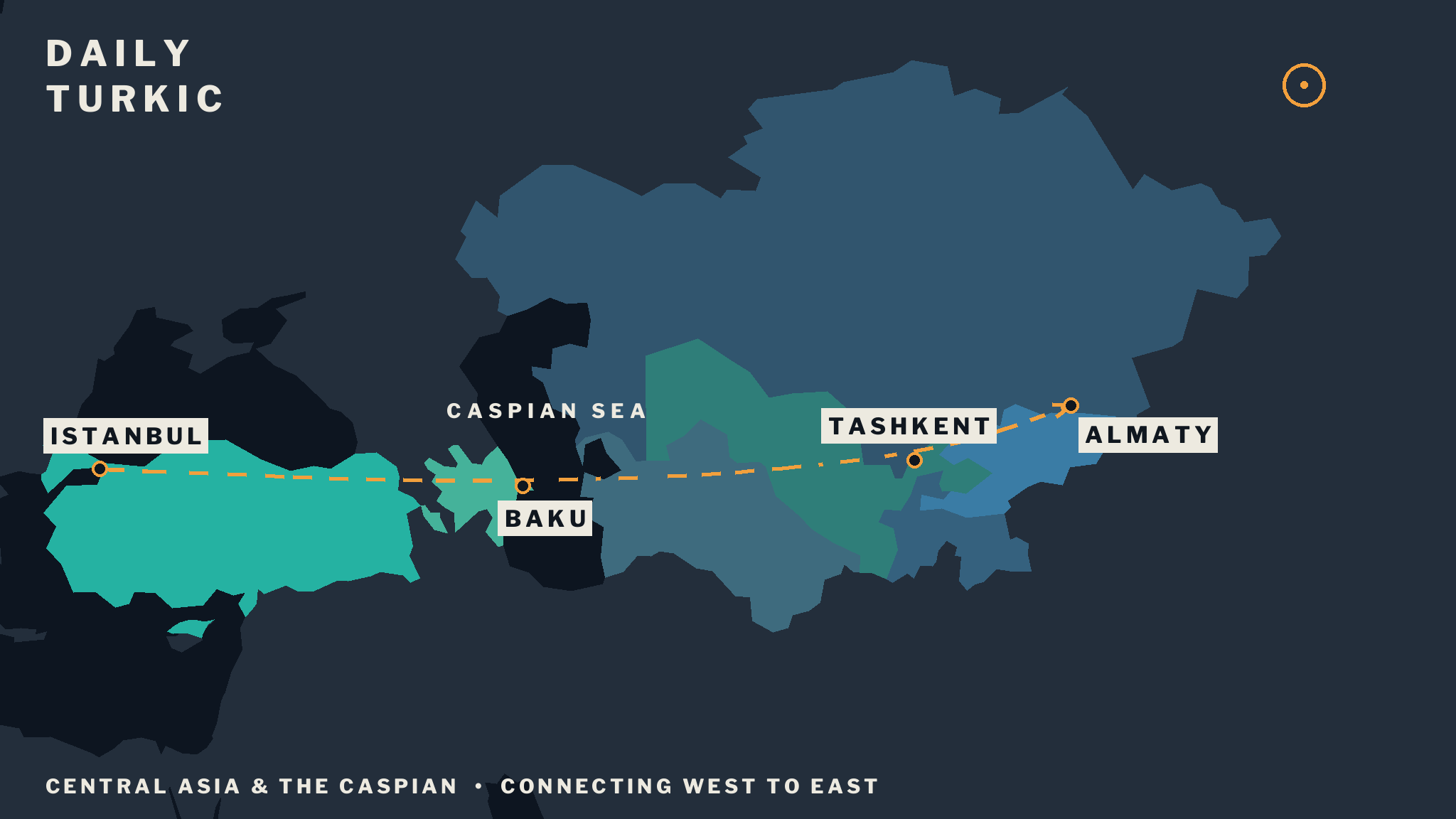
Uzbek President Shavkat Mirziyoyev travels to Astana on November 5 to 6 for an Aqaba Process meeting on artificial intelligence and security, hosted with Kazakh President Kassym-Jomart Tokayev and King Abdullah II of Jordan. At the same time, Samarkand hosts a Shanghai Cooperation Organisation dialogue on November 5 to 6.
The two meetings capture Central Asia's current balancing act. The region wants a seat in every conversation about security and technology, from AI governance to Eurasian trade, without being absorbed into any single bloc's agenda. Uzbekistan's own week shows the same logic at home: a sweeping crime prevention overhaul built on data and AI, and a central bank holding its rate at 14 percent while gold exports slump and capital inflows prop up the soum.
Behind the calendar sits a sharper question: who belongs in the Turkic world's own institutions. Tokayev's proposal for a new OTS+ format, and the debate over whether Russia could ever sit in the Organization of Turkic States as an observer, has split opinion. A Turkish ruling party figure has publicly argued that Russia cannot be an observer, and the Kremlin has responded, but the format question is still open.
That debate matters because the OTS is the one body built around Turkic identity rather than geography or security. Open it too wide and it stops being a Turkic body. Keep it closed and it risks looking like a club that talks while larger formats decide. Astana and Samarkand this week will show which way the region's leaders lean.
What to watch: the Astana Aqaba statement on November 5 to 6, any formal shape given to OTS+, the Samarkand dialogue's language on security cooperation, and whether Mirziyoyev's Astana meetings produce concrete AI or security agreements with Kazakhstan and Jordan.
#TurkicWorld #Analysis